
.jpg&w=3840&q=75)
Build a SaaS Product That Scales From 1 to 10,000 Tenants
Build and scale multi-tenant SaaS products with dedicated ODC teams.
Sound familiar?
Multi-tenancy is harder than expected
Shared infrastructure, tenant isolation, and data security across customers require architecture decisions that are expensive to undo later.
Billing complexity slowing you down
Usage-based pricing, plan tiers, and upgrade/downgrade flows require careful engineering that most teams underestimate.
SaaS needs to scale to 10,000 tenants from day one
What works at 10 customers breaks at 1,000. Architecture decisions made early determine your ceiling.

What You Get
Multi-tenant architecture from the ground up
Subscription billing integration (Stripe, Paddle, Chargebee)
Customer onboarding and self-serve flows
Feature flags and usage-based metering
SOC 2-ready security posture from day one
Analytics and product telemetry built in
Service Breakdown
Schema-per-tenant vs row-level security design, data isolation, and tenant onboarding flows built for scale from day one.
Stripe, Paddle, and Chargebee integration with plan tiers, usage metering, proration, and self-serve upgrade/downgrade flows.
Admin dashboards, customer self-serve portals, RBAC, audit logs, and SSO (SAML/OIDC) for enterprise tier customers.
Product analytics (Mixpanel, Amplitude), A/B testing frameworks, customer success tooling (Intercom, HubSpot), and churn-reduction workflows.
Security posture design, access logging, data retention policies, and compliance infrastructure for upmarket enterprise sales.
How We Deliver
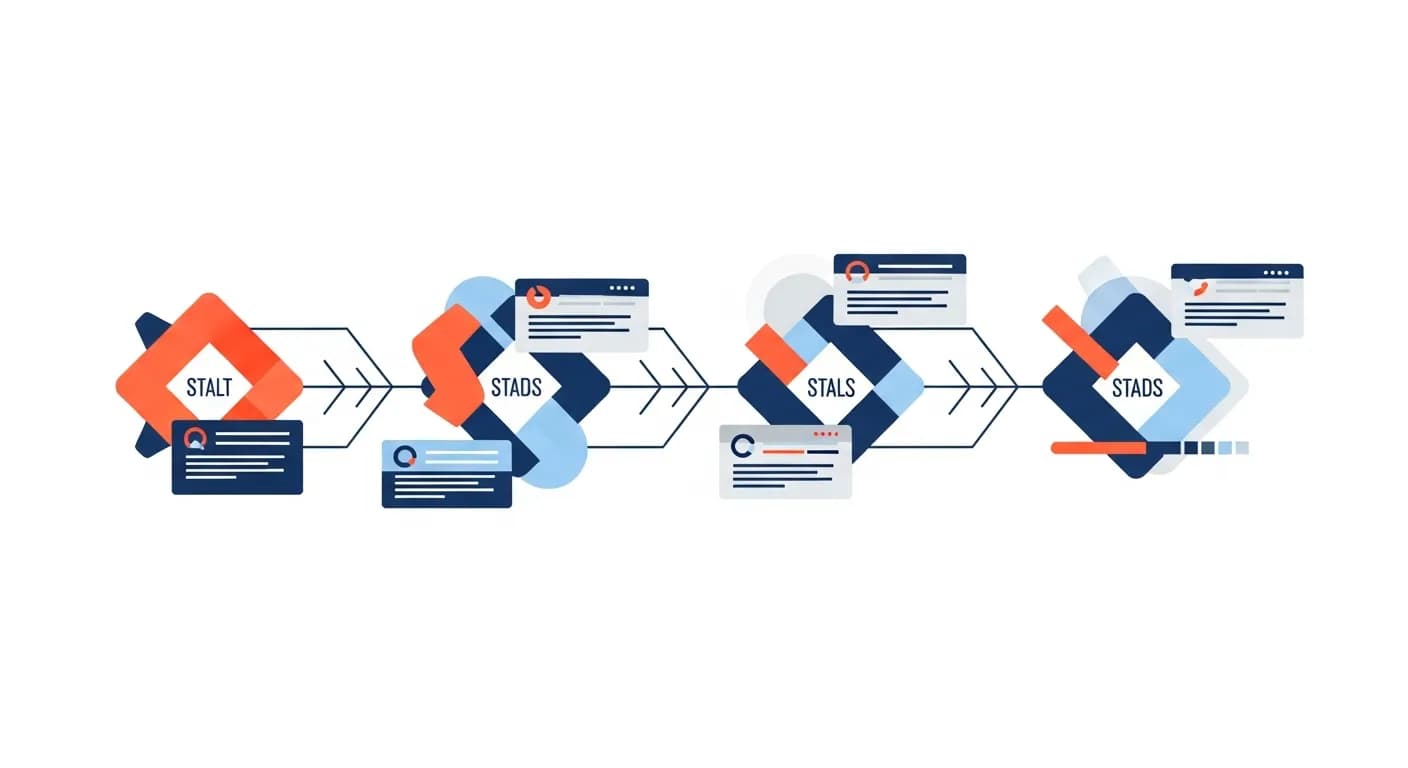
SaaS Architecture Design
Design tenant isolation strategy (schema-per-tenant or row-level security), select the billing model, and define the onboarding funnel.
Core Platform Build
Authentication, RBAC, subscription management, admin portal, and the first 2–3 core features — shipped in 8–12 weeks.
Growth Instrumentation
Integrate product analytics (Mixpanel, Amplitude), customer success tooling (Intercom, HubSpot), and A/B testing frameworks.
Scale & Iterate
Performance optimisation for growing tenants, enterprise SSO (SAML/OIDC), audit logging, and compliance features for upmarket expansion.
Tech Stack
Frontend
 React
React Next.js
Backend
 Node.js
DevOps / Cloud
 AWS
AWS Docker
 Kubernetes
 Terraform
Data
 PostgreSQL
 Redis
RedisOther
“InApps assembled a 6-person team in 2 weeks. They hit the ground running and delivered like they'd been with us from day one.”
CTO, US SaaS Platform
Series B · 150-person company
InApps vs. The Alternatives
| Criterion | InApps | In-House |
|---|---|---|
| Cost | 60–70% lower than US/EU | Full salary + overhead |
| Speed | Team ready in 4–6 weeks | 3–6 months recruiting |
| Quality | Top 1% vetted engineers | Varies by market |
| Communication | B2+ English, async-friendly | Native, co-located |
| Flexibility | Scale up/down 30-day notice | Rigid headcount |
Frequently Asked Questions
We evaluate row-level security vs schema-per-tenant vs database-per-tenant based on your scale, compliance requirements, and customisation needs. Most B2B SaaS products we build use RLS with PostgreSQL, which handles up to 5,000+ tenants without performance degradation.
Yes. We regularly build integrations with CRMs (HubSpot, Salesforce), support platforms (Intercom, Zendesk), analytics (Segment, Amplitude), billing (Stripe, Chargebee), and identity providers (Auth0, Okta).
Yes. We have implemented metered billing with Stripe Billing and Lago, tracking API calls, seats, and compute credits. Usage-based pricing requires careful instrumentation from architecture phase — we plan for it from day one.
Trusted by Engineering Teams Across 15+ Countries










Ready to build something great?
Our solution architects will map your requirements to the right team structure and tell you honestly whether InApps is the right fit.